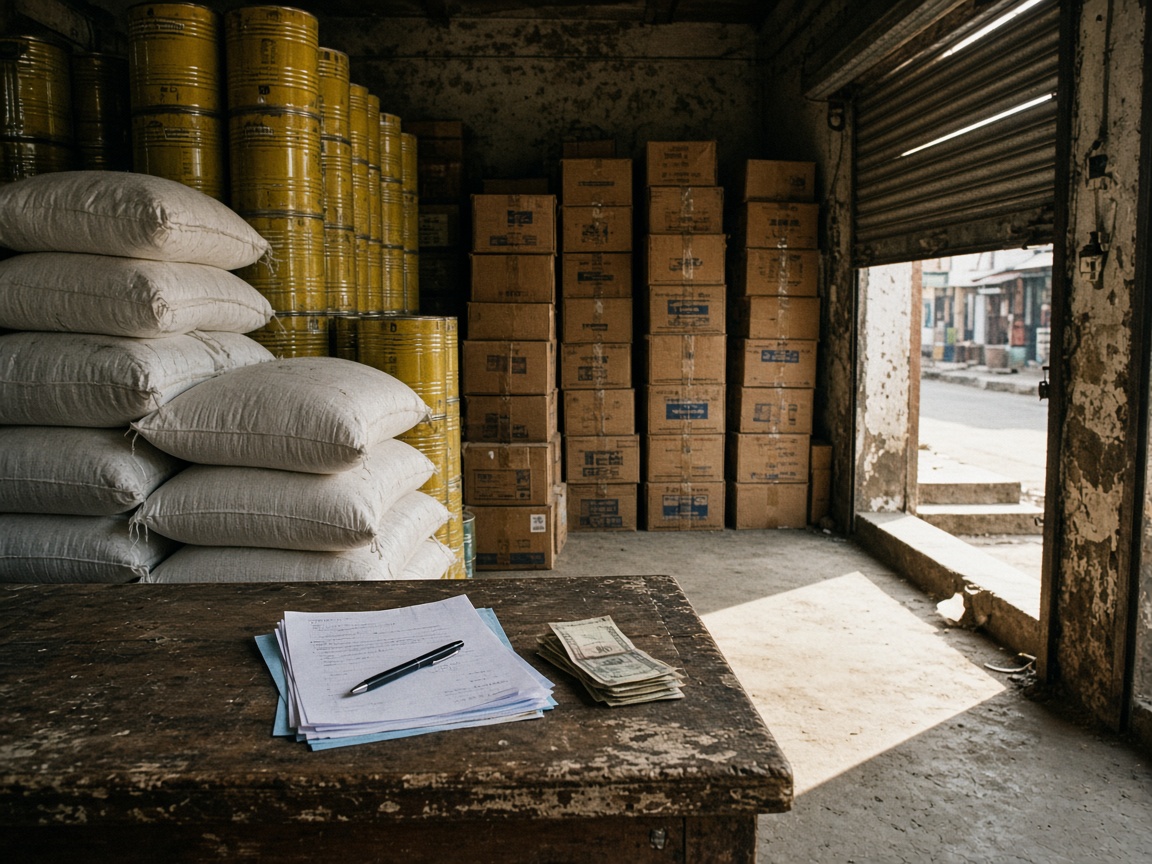
Close the drawer the same day
Cash that is counted tomorrow explains yesterday to nobody. A short close, while the day is still in the room, is the whole discipline.
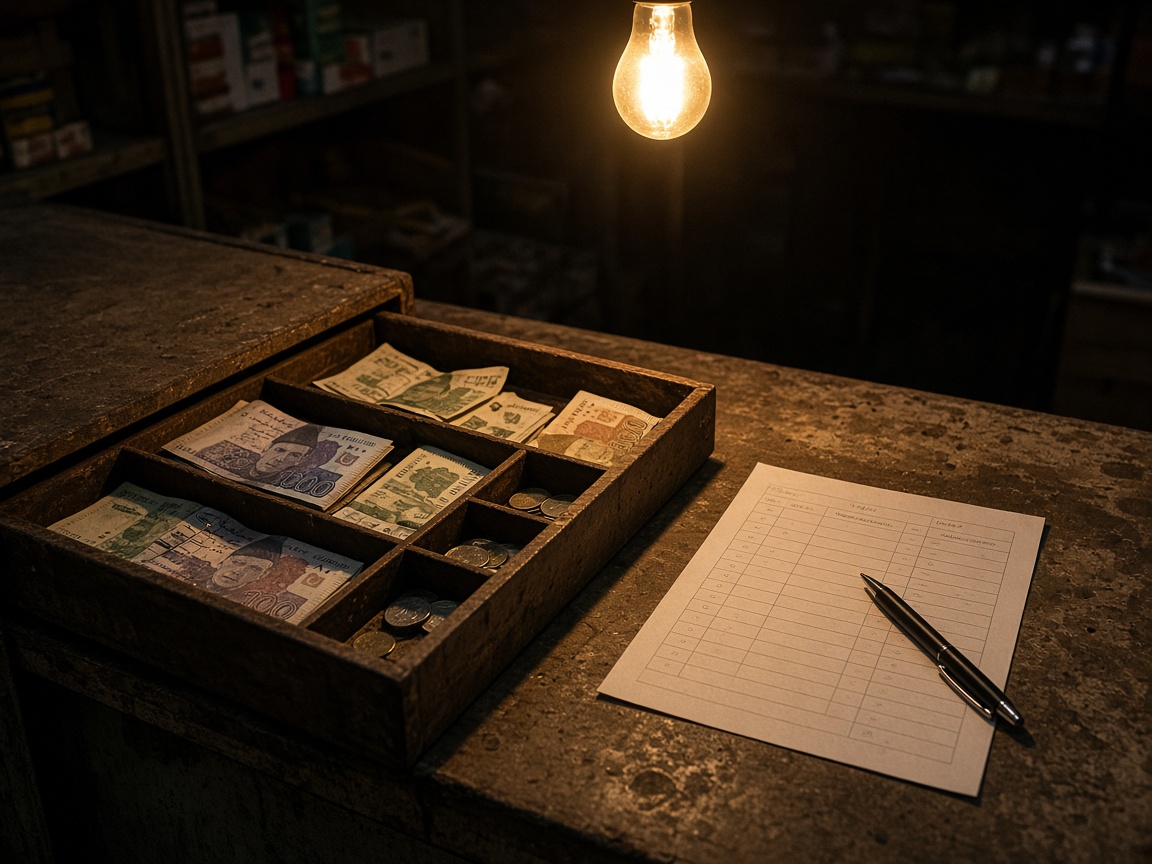
The drawer and the books are two witnesses. If you wait until the weekend to ask whether they agree, both of them have forgotten the details. A payment was taken and not entered. An expense was paid from the till and written on a slip that went home in a pocket. The difference looks like a mystery. It is usually a Tuesday.
Count what is actually in the till
At close, count the notes and the coins. Do not count what you hope is there. The book already has a cash figure: sales received in cash, payments in, expenses out, owner drawings. The close is the comparison of those two numbers, and a place to write why they differ.
A difference of a small amount, written down, is healthier than a perfect match that someone forced. Forced matches are how the next shortage hides.
If the close waits for a free afternoon, the free afternoon will belong to a different day than the cash.
Separate the till from the pocket
Owner withdrawals are not expenses, and tea for the shop is not an owner withdrawal. When both come out of the same notes without a line in the cash book, profit becomes a feeling. Feelings are a poor way to decide whether the month worked.
DealerBook records the close against the book balance for that branch. The branch matters. Cash at the main counter is not cash at the second shop, even when both use the same company name.
Make it short enough to happen
A close that needs an accountant will not happen at 9 p.m. A close that is one count, one comparison, and one note will. Do it at the same time you pull the shutter, before the last conversation. Five days of small closes will show you the leak. One monthly reconstruction will only show you the total.
Start with the main drawer. When that one matches for a week, add the second. The habit is the control. The report is just the proof you kept it.