Credit is not cash, even when the customer is a friend
A sale on credit feels finished at the counter. The money is still outside. Here is the habit that keeps the ledger honest.
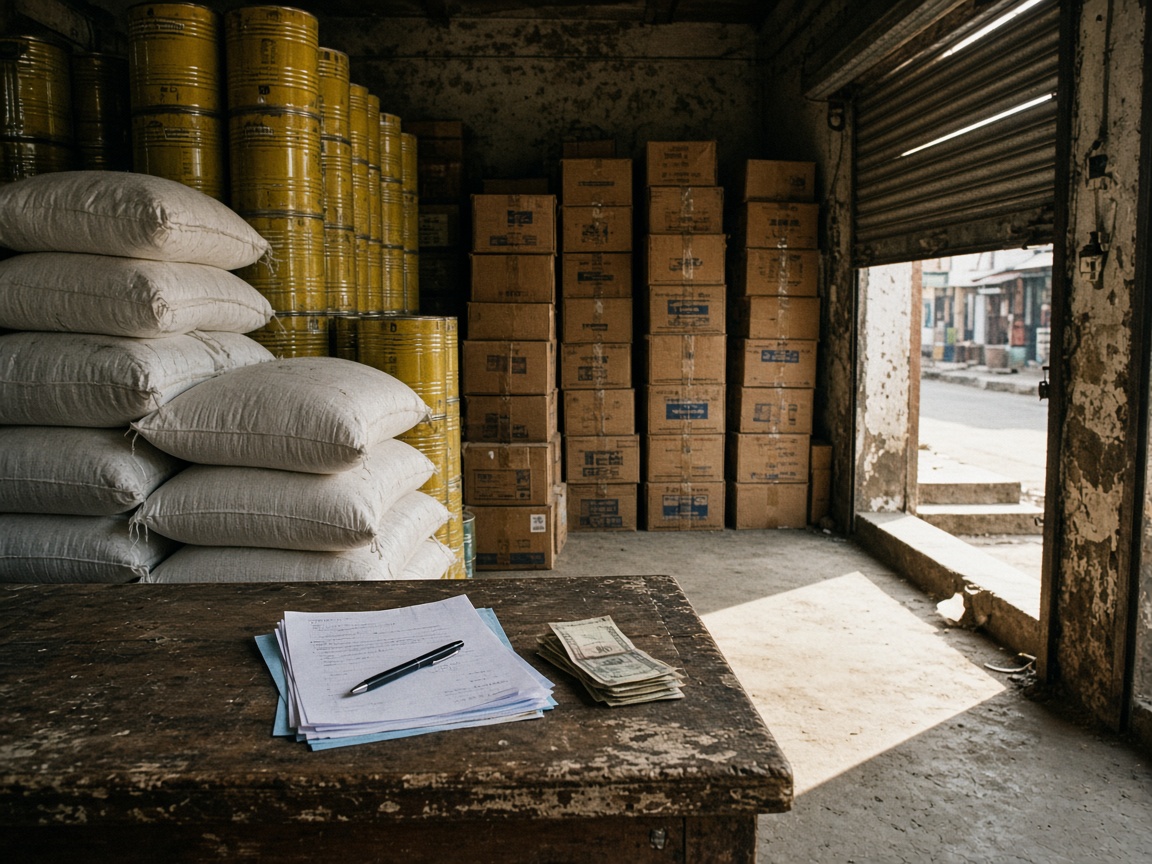
Most dealers do not lose money on a single bad price. They lose it in the gap between a sale and the day the cash actually arrives. The customer takes the goods, the invoice is written, and the shop feels busy. Busy is not collected.
Credit is a second product you are selling. It has a cost: the stock is gone, the supplier may still be waiting, and the cash drawer does not know about the promise. If that promise lives in a notebook, a WhatsApp chat, and someone's memory, three different balances will exist by Thursday.
Write the balance while the customer is still in front of you
The useful moment is the moment of the sale. Record who took the goods, the invoice number, the amount still open, and the day you expect the money. A date is more useful than "soon." Soon cannot be followed up. A date can.
When the customer pays part of it, apply that payment to a specific invoice. A lump that is not applied looks like spare cash and hides which bills are actually old. Old bills are the ones that become arguments.
If you cannot name the oldest unpaid invoice without opening three apps, the credit book is already ahead of you.
A reminder is a record, not a mood
Calling a customer because you feel short of cash is different from calling because an invoice crossed its date. The second call is calmer. You can say the invoice number and the amount. You can note what they answered, and the next date, in the same place as the balance.
DealerBook keeps that note on the customer, next to the ledger. The morning brief can tell you what is still out. The point is not a clever message. The point is that the next person at the counter sees the same number you saw.
Friends still get invoices
The customers who pay late are often the ones you like. That is why the balance has to sit in the system and not in your reluctance to ask. A printed statement, or a short reminder with the real figure, is easier to send than a conversation that starts from memory.
Do this for one week: every credit sale gets an invoice, every part payment names the invoice it closes, and every promise gets a follow-up date. The shop will not feel stricter. It will feel quieter, because you will stop rediscovering the same debt.